HONDA 39680-T24-P01ZA Sensor NH696
fits model: Accord. make: Honda. year: 2023–2024.
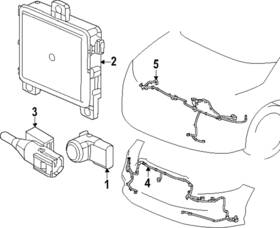
( Manufacturer Part Number: 39680-T24-P01ZA ), ( Part Type: Sensor ), ( Genuine Oem: Yes ), ( Manufacturer Warranty: 1 Year ), ( Fitment Type: Direct Replacement ), ( Year: 2023 2024 ), ( Parts Included: Only Part Reference 1 On The Diagram Is Included )
Review HONDA Genuine Sensor Assembly fits ACCORD 2023–2024
The Honda 39680-T24-P01ZA is a high-precision O2 (oxygen) sensor manufactured by Honda for use in various models of their automobiles. This sensor is an essential component of the vehicle's exhaust gas recycling system, which helps in maintaining optimal engine performance and fuel efficiency.
The Honda O2 sensor features a zirconia sensor element, which is capable of measuring the amount of unburnt oxygen present in the exhaust gases. The sensor converts this data into an electrical signal and sends it to the vehicle's engine control module (ECM), which then adjusts the fuel-air mixture to ensure complete combustion.
This particular sensor, part number 39680-T24-P01ZA, is designed to fit specific Honda models, including but not limited to the CR-V, Civic, Accord, and Odyssey. It has a hexagonal shape with six electrical contacts, arranged in a specific pattern to ensure proper connection with the wiring harness.
The sensor housing is made of high-temperature resistant materials, ensuring it can withstand the extreme temperatures encountered in the exhaust system. The sensor element itself is coated with a protective layer, which helps prevent contamination from the exhaust gases and extends the sensor's lifespan.
Installation of the Honda O2 sensor is typically a straightforward process, but it is recommended that the vehicle's engine be cooled down beforehand to ensure safety. The old sensor is removed from the exhaust system, and the new one is secured in its place using the provided mounting hardware. The wiring harness is then connected to the new sensor, and the vehicle is started to allow the ECM to calibrate the new sensor.
The Honda 39680-T24-P01ZA sensor is an important investment for any Honda vehicle owner, ensuring optimal engine performance, improved fuel efficiency, and a smoother driving experience. With its high-precision zirconia sensor element and robust design, this sensor is sure to provide reliable service for thousands of miles.
The Honda 39680-T24-P01ZA sensor, also known as the NH696 O2 Sensor Heater Circuit, is an essential component of the exhaust emission system in Honda vehicles. This sensor plays a crucial role in ensuring that the vehicle's emissions meet the required standards. Let's discuss some pros and cons of buying this sensor.
Pros:1. Improved Emission Performance: A faulty O2 sensor can cause the check engine light to illuminate and result in poor fuel economy and increased emissions. Replacing the faulty sensor with a new one will help restore the vehicle's emission performance and improve fuel efficiency.
2. Long-lasting: Honda is known for manufacturing high-quality parts, and the same can be said for this sensor. With proper maintenance and regular replacement, this sensor can last for up to 10 years or more.
3. Easy Installation: The installation process for this sensor is relatively straightforward. Most mechanics or DIY enthusiasts can install it in less than an hour.
4. Affordable: Compared to other car parts, this sensor is relatively affordable, making it a cost-effective solution for maintaining your vehicle's emissions system.
Cons:1. Single Application: This sensor is specifically designed for Honda vehicles, so it may not be compatible with other makes and models.
2. Requires Regular Replacement: While the sensor itself may last for a long time, the heater circuit may wear out over time, requiring regular replacement.
3. Potential for False Positives: In some cases, a faulty sensor may cause false positive readings, leading to unnecessary repairs and maintenance costs.
In conclusion, the Honda 39680-T24-P01ZA sensor is an essential component of the exhaust emission system in Honda vehicles. Its long-lasting nature, easy installation, and affordability make it a cost-effective solution for maintaining your vehicle's emission performance. However, its single application, potential for false positives, and requirement for regular heater circuit replacement are some drawbacks to consider. Ultimately, if you own a Honda vehicle and are experiencing emission-related issues, replacing this sensor may be a worthwhile investment.
Details:
Shipping Carrier substitutions may be made at our determination in an attempt to reduce shipping cost the customer. Parts must be resalable and in the original packaging. Electrical parts are not returnable.
part #: 39680t24p01za prices
- $26.55-$47.55
specifications parkistanc:
- for models: Accord
- for makes: Honda
- for years: 2023-2024
- mpn: 39680-t24-p01za
- part type: Sensor
- genuine oem: Yes
- manufacturer warranty: 1 Year
- fitment type: Direct Replacement
- year: 2023 2024
- parts included: Only Part Reference 1 On The Diagram Is Included
seller parkistanc:
- city: Port Jefferson Station, New York
- # reviews: 106
- rating: 100.0%
payments parkistanc:
- wallet: Apple-pay
- credit card: Visa
- other
offer parkistanc:
- sold: 0
- availability: In Stock
- quantity: 1
- started: January 1, 2026
- options: Ship-to-home
shipping parkistanc:
- service: FedEx Ground / FedEx Home Delivery
- transit: 5-8 Days
- type: Fixed
- carrier: FedEx
- class: Standard
- cost: $20.00
returns parkistanc:
- policy: Returns Accepted
- paid by: Seller
- time: 30 Days
general parkistanc:
- Advanced Driver Assistance Systems > Parking Assistance > Parking Sensors
- condition: New
Honda 39680-T24-P01ZA Is Similar To:
- 39670-tz5-a120-m1 Honda Acura Mdx Pilot Parking Sensor Control Module Oem (32.3% similar) Brand new oem reverse parking sensor module for a aura DX or honda pilot part number 39670TZ58120M1...(October 14th, 2018)
- Honda 36930-thr-a01 2018-2020 Odyssey Rear Blind Spot Radar Sensor Oem (46.3% similar) USA - free shipping. Double check to see if it fits. 2018 -2020 honda odyssey rear blind spot radar sensor oem 36930-THR-A01. Tabs all tabs intact...(February 5th, 2024)
- Honda 36801-tva-a16 Cruise Control Distance Sensor Radar Unit Module Turbo Fits 18-20 Accord (37.8% similar) If it is not on the b.o.l. Any damage done must be noted and signed for by the delivery driver on bill of lading at time...(May 9th, 2024)
- Honda 36935-tla-a02 Cr-v Blind Spot Sensor Radar Module 2017 2019 (40.7% similar) Please see all photos. Free shipping, where offered, applies to the continental USA only. Xenon and led bulbs when included are guaranteed to be functional. This covers the cost of labor and materials associated with selling, shipping, then relisting item. Expedited shipping may be available. All of...(August 3rd, 2024)
- Honda 36800thr 2018 2019 2020 Odyssey Distance Sensor Radar Module 36800-thr-a02 Oem Used (42.9% similar) Tested works perfectly. Ask all questions before purchase...(August 4th, 2024)
- Honda 6334734 2017-2022 Cr-v Rear Right Blind Spot Radar Sensor Control Module (37.2% similar) The listing include 1 rear radar module right side removed from CV 2019 , in normal used conditions and works properly, shipping USPS, feel free to ask any question...(August 4th, 2024)
- Honda 39680-tza-j111-m1 2022 To 2024 Accord Civic Parking Distance Sensor Oem (45.3% similar) Crown signs accessories is offering a 2022 to 2024 honda accord civic parking distance sensor oem 39680-TZA-J111-M1. Please refer to all pictures for more detail. Please review all images before buying. The item is used good condition. This is an original factory part, not aftermarket...(August 8th, 2024)
- Honda 39680-tza-j011-m1 2021 Accord Touring Bumper Parking Distance Sensor Pdc Oem 39680-tza-j111 (44.6% similar) Part: 2021 honda accord touring bumper parking distance sensor PFC oem 39680 TA J111. Model fitment: 2021 honda accord touring. Items over $600 usually require signature for delivery no questions. Brand: honda. If this is the case for you, please message me directly prior to filing a return. ...(August 14th, 2024)
- Honda 32112-3a0-a104 2023 2024 Cr-v Crv Front Bumper Parking Sensor Harness (41.3% similar) ...(August 15th, 2024)
- Honda 39680-t6z-a011-m1 Odyssey Elite 23-24 Oem Front Pdc Parking Assist Sensor Set Of 4 Nh797m 5k (45.6% similar) Declared values of each package are according to the actual value that...(August 16th, 2024)
- Honda Factory Oem 36935-t47-a11 2022-2024 Civic Blind Spot Monitor Radar Sensor (33.8% similar) Buyer pays return shipping. Condition: good condition. 2022 -2024 honda civic blind spot monitor radar sensor 36935-T47-A11 oem...(August 22nd, 2024)