TOYOTA 188400-3310 Sensor Pdc Parking 1.8L 89341-58070 P202
fits model: Prius. make: Toyota. year: 2016–2022.
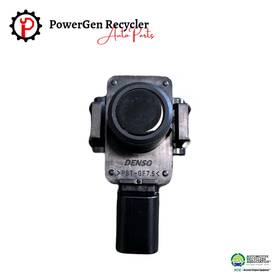
( Manufacturer Part Number: 188400-3310 ), ( Type: Sensor ), ( Sensor Type: Radar Sensor ), ( Oe/oem Part Number: 89341-58070 ), ( Manufacturer Warranty: 1 Month ), ( Terminal Type: Ring ), ( Features: Direct Fit ), ( Placement On Vehicle: Front, Left, Rear, Right )
Review TOYOTA Genuine 1.8l Sensor Pdc Parking Black fits PRIUS 2016–2022
The Toyota 188400-3310 sensor is a crucial component of the Parking Assistance System (PDS) in select 2016-2022 Toyota Prius models equipped with the 1.8L valor VVE engine. This sensor, also known as the 89341-58070 P202, plays a significant role in the functionality and accuracy of the Prius's rear parking sonar system.
The design of this Toyota sensor is sleek and compact to ensure a seamless integration into the vehicle. Among its notable features are its advanced sensor technology, which uses multiple ultrasonic sensors to detect obstacles and objects near the car when parking in tight spaces. This information is then relayed to the driver through visual and audible alerts on the vehicle's dashboard.
The sensor's housing is made from durable materials that can withstand the harshest parking conditions. It is weather-resistant, ensuring that it performs optimally even in extreme temperatures or adverse weather conditions. Moreover, its robust design allows it to endure minor collisions with other objects, reducing the risk of damage during the installation or removal process.
Installation of the Toyota 188400-3310 sensor is a straightforward process that can be completed by most do-it-yourself (DIY) enthusiasts. This sensor comes pre-wired to simplify the installation process, minimizing the need for extensive wiring modifications or skilled labor. However, it is essential to consult the Prius's repair manual and follow proper safety procedures to ensure a successful and hassle-free installation.
Proper functioning of this parking sensor is crucial to the safe and efficient parking experience in your Prius. If you've recently noticed a decline in the accuracy or responsiveness of your vehicle's parking sensor system or if it's no longer functioning, replacing the 188400-3310 sensor may be a wise investment to help you feel more confident when maneuvering your vehicle in tight spots.
In summary, the Toyota 188400-3310 sensor, also referred to as the 89341-58070 P202, is a vital component of the parking assistance system in certain 2016-2022 Toyota Prius models equipped with the 1.8L VVE engine. It uses advanced ultrasonic sensor technology to detect nearby obstacles and relays this information to the driver, enhancing the ease and safety of parking. The sensor features a robust design, is pre-wired, and relatively easy to install, ensuring a hassle-free experience for any DIYer looking to improve their parking confidence.
Pros and Cons of Buying a Toyota Prius 1.8L Sensor (89341-58070) for PDC Parking System
introduction:The Toyota Prius is a popular hybrid vehicle known for its advanced technology and fuel efficiency. One of the features of the Prius that enhances the driving experience is the Parking Sensing System (PDC). however, to keep this system functional, you may need to replace the sensor (89341-58070) occasionally. In this article, we will discuss the pros and cons of purchasing a Toyota 188400-3310 2016-2022 Prius 1.8L sensor for the PDC parking system.
Pros:1. Improved parking experience: The sensor enhances the functionality of the parking assistance system, making it easier and safer to park in tight spaces. It uses ultrasonic sensors to detect obstacles and provide visual and audible warnings, helping to prevent collisions and scrapes.
2. Better vehicle safety: With the PDC sensor, you can park your Prius more confidently, knowing that you have an additional layer of safety that will alert you to any potential hazards. This feature can also reduce the risk of damage to your vehicle and other cars or objects.
3. Easy installation: The sensor is a relatively straightforward installment, and many customers report that it can be done in under an hour. You can either take your car to a mechanic or perform the installation yourself, saving time and money.
4. Cost-effective: Compared to other automatic parking systems, the PDC sensor is a cost-effective solution for improving your parking experience. It provides real-time feedback and is easier to install than more complex systems.
5. Long-lasting: Many Prius owners report that the PDC sensor lasts for several years before needing to be replaced, making it a worthwhile investment for the long term.
Cons:1. Expensive replacement: The cost of the sensor may be prohibitive for some buyers, especially if you need to replace multiple sensors or if your budget is limited. Replacement costs can range from $150 to $450, depending on the labor costs.
2. Limited functionality: The PDC sensor only provides feedback while you're parking and doesn't provide any assistance during regular driving. It's essential to remember that it is designed to complement, not replace, your attention while driving.
3. Sensitivity: The sensor can be sensitive to debris, dirt, or moisture, which can impact its performance. Regular cleaning and maintenance can help address these issues, but ongoing maintenance can add to the cost and time commitment.
Conclusion:In conclusion, the Toyota 188400-3310 2016-2022 Prius 1.8L sensor for the PDC parking system offers several advantages, such as improved parking experience, vehicle safety, ease of installation, cost-effectiveness, and long-lasting durability. However, it has some disadvantages, such as the expense of replacement, limited functionality, and sensitivity to debris or dirt.
Recommendation:Based on the pros and cons presented, we recommend the Toyota Prius PDC sensor for drivers who value an easier parking experience and want an additional layer of safety. It's essential to remember that while the sensor enhances the driving experience, it doesn't replace the driver's attention while parking or during regular driving. Regular cleaning and maintenance can help prolong the life of the sensor and ensure optimal performance. If the initial cost is a concern, consider exploring options for buying refurbished or reconditioned sensors or purchase a compatible aftermarket solution from a reputable retailer.
Details:
part #: 1884003310 prices
- $49.99-$89.99
specifications parkistanc:
- for models: Prius
- for makes: Toyota
- for years: 2016-2022
- mpn: 188400-3310
- type: Sensor
- sensor type: Radar Sensor
- oe/oem part number: 89341-58070
- manufacturer warranty: 1 Month
- terminal type: Ring
- features: Direct Fit
- placement on vehicle: Front, Left, Rear, Right
payments parkistanc:
- wallet: Paypal
- credit card: Diners-club
- other
seller parkistanc:
- rating: 96.9%
- # reviews: 30
- city: Houston, Texas
shipping parkistanc:
- type: Fixed
- service: UPS Ground
- cost: $0.00
- transit: 3-8 Days
- carrier: UPS
- class: Standard
returns parkistanc:
- time: 30 Days
- policy: Returns Accepted
- paid by: Buyer
general parkistanc:
- condition: Used
- Advanced Driver Assistance Systems > Parking Assistance > Parking Sensors
offer parkistanc:
- started: February 5, 2025
- quantity: 1
- options: Ship-to-home
- sold: 0
- availability: In Stock
Toyota 188400-3310 Is Similar To:
- 1703-ivm-ht Creative Electric Parking Brake For Toyota Minivan By Cci Handicap (27.5% similar) For sale is one new, in box, only removed from box photos CCU electric parking brake use toyota vehicles. Makes applying and disengaging the parking brake a button push...(October 10th, 2018)
- 8646c-47031 Toyota Prius Prime Lane Departure Camera Projector Used (24.4% similar) Please review all images before buying. This is an original factory part, not aftermarket. May fits and others model's are oem original as you see in the pictures. Compare to yours make sure is the same like. Please refer to all pictures for more detail. Please review all images for details make ...(February 13th, 2019)
- 86790-45030 Trunk Lift Gate Mounted Toyota Sienna Rear View Camera Parking (27% similar) Please see photo for details feel free to ask any questions be sure check if this part fits your car...(December 25th, 2018)
- 88210-06010 Toyota Oem Camry Radar Sensor Camera Projector (31.3% similar) ...(November 13th, 2018)
- 89341-06070-b0 Toyota Genuine Brand New Camry Park Sensor (32.9% similar) L, le, XLR, gray. Se, sex, gray. Without hybrid. Ultrasonic sensor...(October 19th, 2018)
- 89341-0r050-b0 Toyota Oem Parking Sensor (26.4% similar) ...(March 5th, 2019)
- 89341-53010 B0 Toyota Lexus Bumper Parking Sensor Pdc Oem (31.5% similar) Part number must be match. USED2013 Lexus IS350 IS250 GS350 bumper parking sensor pdc b0 omen really good condition. Both must be match. Without any major problems or damages please see the picture original oem manufactured, not an aftermarket part...(March 6th, 2019)
- 89341-78010-c3 Toyota Oem Lexus Pdc Ultrasonic Bumper Parking Assist Distance Sensor (31.2% similar) Some scratches as pictured. With wiring part number on the unit: c3 color as pictured. 4 genuine oem Lexus parking assist sensor...(November 1st, 2018)
- 82181-53070 8218153070 82181-53070a 8218153070a Lexus Toyota Trunk Lid Backup Parking Assist Rear View Camera (24.2% similar) ...(July 28th, 2019)
- Rav 4 Toyota Adaptive Cruise Front Radar Sensor (30.9% similar) Adaptive cruise front radar sensor toyota this listing is for one used camera unit. In the automotive world this can be quite a task. Spokane valley, wa...(February 2nd, 2021)
- 88181-0w020 Unbranded Oem Camera Sensor For Toyota Corolla (32.7% similar) If you are not satisfied with an item, please as soon possible after receive the item...(May 2nd, 2021)